
By Yusuf Mohammed
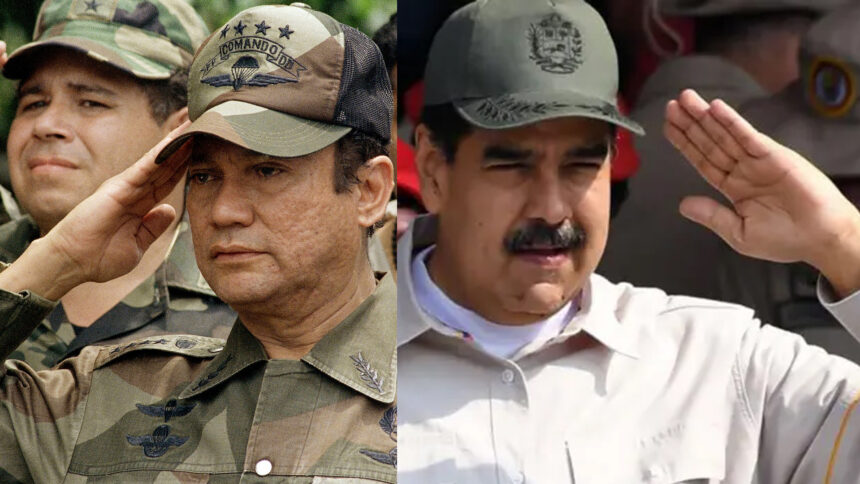
When U.S. forces stormed Panama in 1989 and arrested military strongman Manuel Noriega, Washington framed the operation as a necessary intervention to restore democracy and combat drug trafficking. More than three decades later, the language sounds familiar again. From Caracas to Havana, America’s posture toward governments it considers hostile has changed little – Pressure, isolation, and the looming threat of force. The comparisons now being drawn between Noriega and Venezuela’s Nicolás Maduro are not accidental. They reflect a long-standing U.S. foreign policy doctrine that treats Latin America less as a partner and more as a sphere of influence to be controlled.
Manuel Noriega was a Panamanian military ruler who initially cooperated with the United States but later became a target of U.S. intervention. In 1989, U.S. forces under President George H.W Bush, invaded Panama, captured Noriega, and brought him to the United States to stand trial, an unmistakable display of American power and its willingness to remove leaders deemed threats or liabilities.
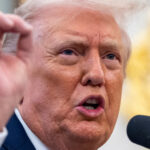
Fast forward to January 2026. The United States under President Donald Trump, carried out a controversial military operation in Venezuela that resulted in the capture of President Nicolás Maduro and his wife, Cilia Flores. Both were taken into U.S. custody to face federal charges in New York. The echoes of Panama are impossible to ignore.
Unlike Noriega’s arrest, which occurred in a relatively smaller regional conflict with limited global backlash, the Maduro operation has sparked sharp international condemnation and renewed debate over sovereignty and international law. This backlash could be attributed to social media and Trump’s mannerism. Yet the underlying pattern remains familiar, Washington deploying military force to seize a foreign leader under the banner of law, security, and democracy promotion, even as critics warn that such actions mirror old imperial habits.
What does this portend for Africa? Recently, the United States has been at loggerheads with Nigeria over allegations of genocide against Christians by Muslims in parts of northern Nigeria. A grim narrative is being projected to the international community, often presenting the violence as exclusively religious. If this continues without proper clarification and balance, there is a palpable fear that Nigeria could one day be subjected to external pressure, or worse, under similar humanitarian pretexts.
This is a moment that calls for unity and careful leadership. It is not the time for division or political brinkmanship. Nigeria must project internal cohesion, national clarity, and diplomatic strength. Nigerians must come together as one people, irrespective of religion or ethnicity. We have far more in common than what divides us.
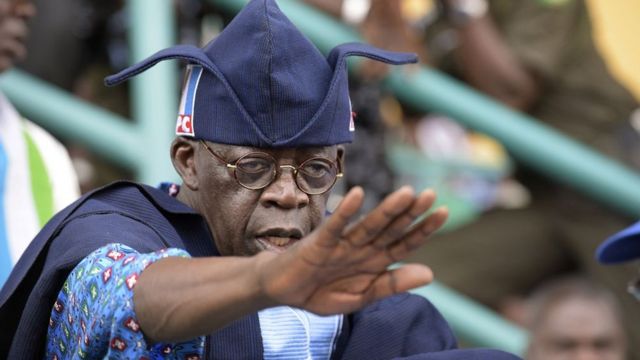
Against this backdrop, proposed tax reforms coming at such a sensitive time risk appearing ill-timed. They could make President Bola Ahmed Tinubu seem poorly advised and disconnected from prevailing national anxieties. I’m using my platform to urge a rethink. Leadership is not only about policy choices, but also about timing, empathy, and the ability to read the national mood.